
SEE AND USE MORE OF YOUR PROPERTY AFTER DARK
Landscape Lighting Planned for Beauty and Everyday Use
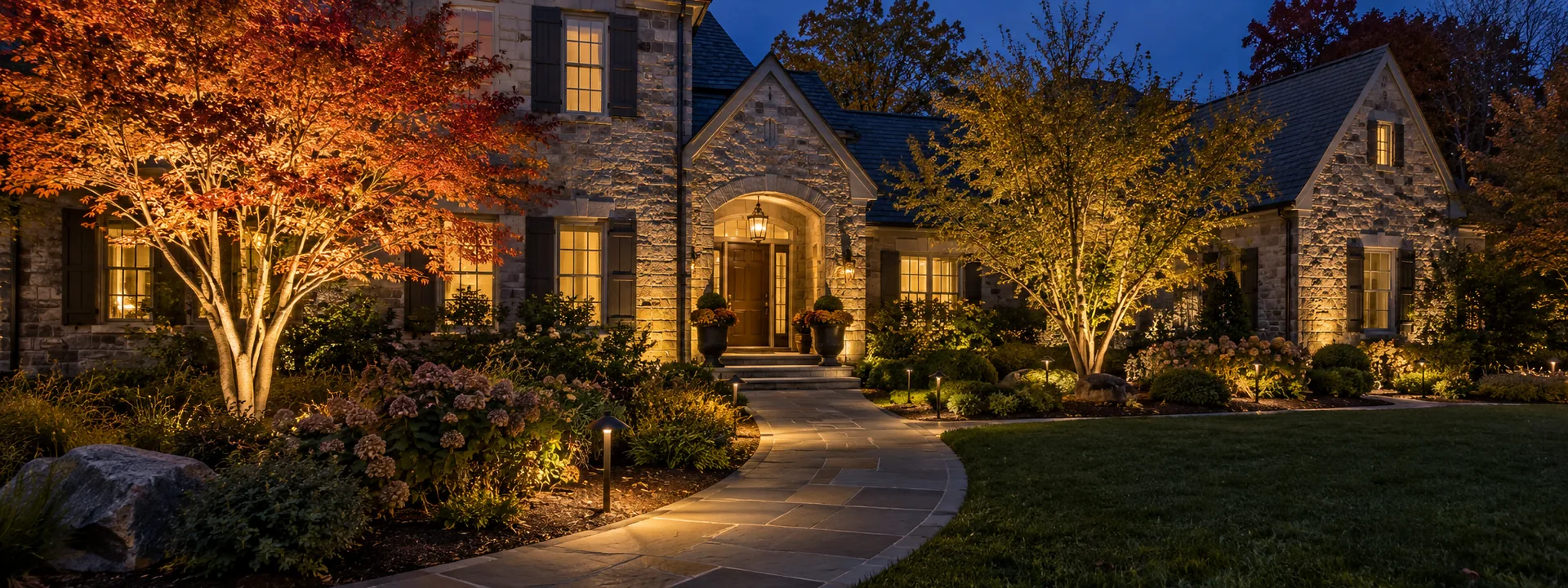
Landscape Lighting from Bright Services helps reveal architecture, trees, gardens, paths, patios, and outdoor gathering areas after the sun goes down. We create low-voltage LED lighting plans around the property, the views that matter, and the way homeowners, guests, residents, or customers move through the space.
A strong outdoor design does not simply place a fixture beside every shrub. Instead, it builds layers. Subtle path illumination can support movement, focused uplighting can give a mature tree depth, and wider washes can connect a wall or landscape bed with the rest of the property. Meanwhile, darker areas between focal points preserve contrast and keep the presentation from feeling flat.
Bright Services coordinates the walkthrough, layout, fixture recommendations, installation, transformer and control planning, aiming, testing, and client handoff. Because every site is different, the design also considers grades, plant growth, seasonal changes, existing utilities, drainage, viewing angles, and the visibility of fixtures during the day.
The result is a custom system designed to make outdoor spaces more inviting and useful without overwhelming the property. Whether you want a restrained front approach, a more comfortable backyard, or a coordinated plan across a larger site, we can develop the lighting in a practical sequence.
Some properties benefit from a phased approach. For example, the first phase may establish the front entrance and primary walk, while a later phase adds the patio, mature trees, or a distant garden feature. Planning those priorities together helps transformers, controls, routes, and fixture styles remain compatible as the system grows.
START WITH REAL NIGHTTIME USE
Plan the Views Before Choosing Fixtures
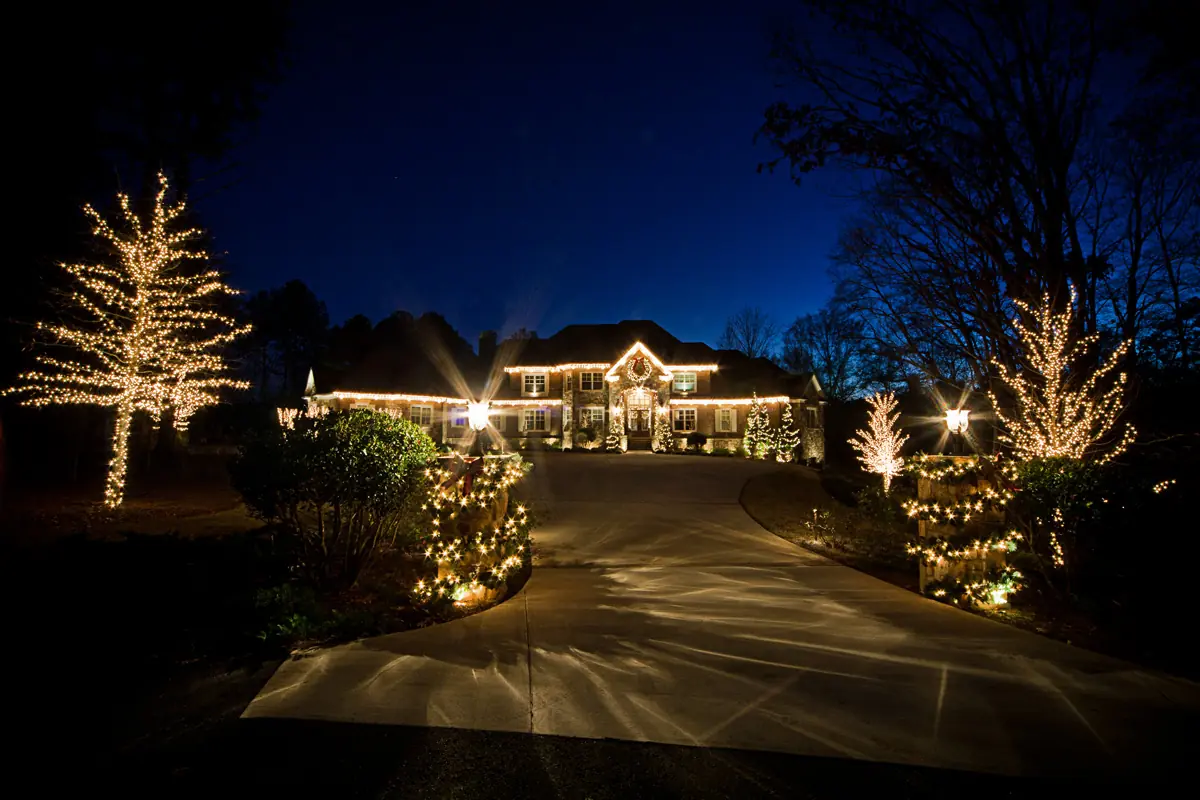
Photos taken after dark and a short walkthrough help reveal where existing light falls short, where glare appears, and which features disappear. We also ask where people arrive, sit, dine, walk, or look outside from interior rooms.
- Architecture and arrival routes
- Paths, steps, and grade changes
- Patios and gathering areas
- Trees, gardens, and distant focal points
That information creates a clearer priority list and keeps the proposal focused on the parts of the property that will make the greatest difference.
BUILD THE NIGHTTIME VIEW ONE LAYER AT A TIME
Four Layers of a Balanced Landscape Lighting Design
Each layer serves a different visual or practical role. The strongest plan decides which layers matter most, then brings them together with consistent color, brightness, spacing, and carefully preserved darkness.
Not every property needs equal emphasis in every category. For example, a compact townhome may focus on arrival and outdoor seating, while an estate may need architecture, long views, mature trees, and several transition points to read as one composition.
ARCHITECTURE
Give the Home or Building Dimension
Uplights and washes can emphasize stone, brick, columns, roof peaks, entrances, and other strong lines. Therefore, the building remains part of the composition instead of disappearing behind the landscape.
MOVEMENT
Support Paths, Steps, and Transitions
Carefully placed lighting can improve visibility along common routes and elevation changes. However, decorative products are not a replacement for code-required egress, task, or emergency lighting where those systems are needed.
GATHERING
Make Outdoor Living Areas Feel Comfortable
Patios, decks, pergolas, outdoor kitchens, fire features, and seating areas benefit from warm illumination that supports conversation without shining directly into guests’ eyes.
LANDSCAPE
Reveal Trees, Gardens, and Texture
Specimen trees, layered plantings, walls, water features, and garden structures can become nighttime focal points. Meanwhile, selective darkness gives those features contrast and depth.
CURB APPEAL FROM THE STREET, COMFORT FROM THE PATIO
Design Landscape Lighting for More Than One View
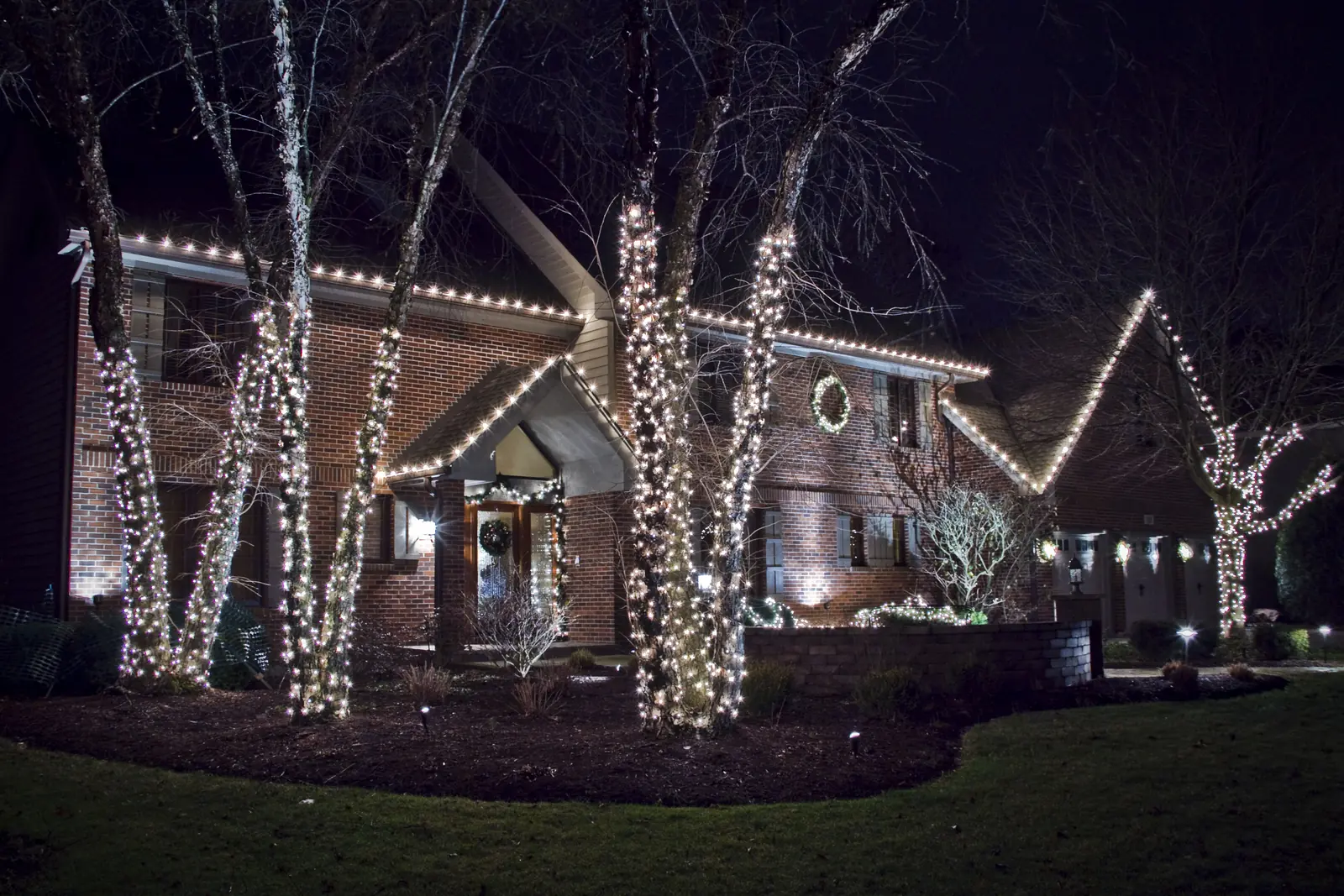
Outdoor lighting is experienced from several directions. The street view may emphasize architecture and mature trees, while the view from inside the home may frame a garden, terrace, or distant feature. Guests walking toward the entrance see the property at a much closer scale.
Consequently, fixture aiming should be reviewed from the important approaches and occupied areas. A light that looks attractive from the driveway may cause glare from a living-room window, and a path fixture that works from one direction may be overly visible from another.
We identify priority views during the walkthrough and revisit them after dark when final aiming or adjustments are available. This step helps the lighting feel composed from the places people actually see it.
MODERN PRODUCTS WITH A RESTRAINED VISUAL PRESENCE
Why Low-Voltage LED Landscape Lighting Works Outdoors
Low-voltage LED systems give designers a flexible way to place outdoor fixtures while supporting energy-conscious operation and a wide range of beam spreads, color temperatures, and control options. Exact specifications depend on the products selected for the project.
EFFICIENCY
More Light With Less Energy
LED products generally use less electricity than traditional incandescent lighting. Therefore, a thoughtfully designed system can provide broad coverage without relying on high-wattage fixtures.
CONTROL
Timers, Zones, and Compatible Smart Options
Available controls may include schedules, dimming, separate zones, or app functions. Compatibility varies, so the proposal should identify the features included with the selected system.
COLOR QUALITY
Warm, Neutral, or Selectable Color
Color temperature affects how stone, brick, bark, foliage, and furnishings appear. In addition, color-changing fixtures can support celebrations when a more flexible system is desired.
SERVICEABILITY
A System That Can Be Adjusted
Outdoor conditions and plant growth change. A modular design can make future aiming, maintenance, replacements, and carefully planned additions more manageable.
For broader information about LED energy use and service life, review the U.S. Department of Energy LED lighting guide. Product ratings, operating conditions, installation quality, and maintenance all affect real-world performance.
PLACEMENT DETERMINES WHETHER THE SYSTEM FEELS POLISHED
Control Glare, Shadows, and Fixture Visibility
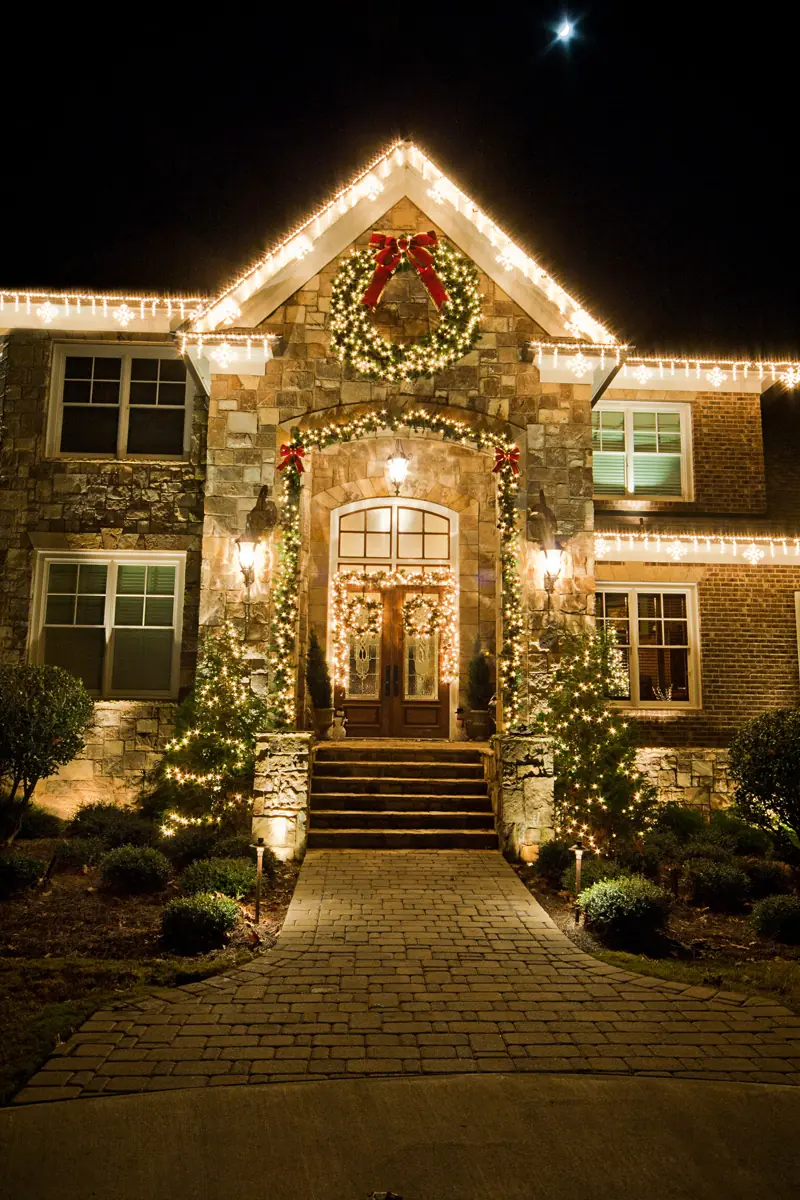
The same fixture can create a refined result or an uncomfortable one depending on where it is placed and aimed. We review eye level, seating positions, windows, neighboring properties, reflective surfaces, plant material, and the primary direction of travel.
For trees and architecture, the distance between the fixture and the surface changes the beam and shadow pattern. Placing a light too close can create harsh contrast, whereas moving it farther away may reveal more texture. The right position depends on the fixture, beam spread, target, and surrounding space.
Path lighting requires equal restraint. More fixtures do not automatically make a route more comfortable. Instead, consistent spacing, shielded light, and attention to changes in grade can create a clearer rhythm while reducing visual clutter during the day.
Plant growth is another practical concern. Shrubs can cover low fixtures, tree canopies can change the light pattern, and seasonal foliage can affect brightness. Therefore, the plan should allow reasonable access and future adjustment.
- Aim light away from common sightlines
- Use shielding where the fixture and location support it
- Coordinate beam spread with the target surface
- Consider windows, neighbors, and reflective materials
- Leave practical access for service and adjustment
- Review how plant growth may change the effect
FOCUS ON THE AREAS YOU USE AND SEE MOST
Popular Outdoor Lighting Applications
A property can be completed at once or improved in planned phases. Starting with the most important views and gathering areas creates a useful foundation for future additions.
FRONT APPROACH
Driveways, Walkways, and Entrances
Connect the arrival route with selected architecture, planting beds, and clear visual destinations.
OUTDOOR LIVING
Decks, Patios, and Outdoor Kitchens
Create comfortable zones for dining, cooking, conversation, and relaxation after dark.
GARDEN FEATURES
Trees, Walls, Arbors, and Water
Use light and shadow to reveal form, texture, height, and movement without illuminating everything equally.
RECREATION AREAS
Pools, Spas, and Gathering Spaces
Coordinate decorative lighting around the surrounding area while preserving any dedicated, code-compliant systems required for water and task zones.
OVERHEAD AMBIANCE
Pergolas, Gazebos, and Bistro Strands
Add a warm overhead layer to selected gathering areas through properly supported, outdoor-rated products.
FLEXIBLE COLOR
Celebrations and Seasonal Accents
Choose compatible color-changing options for holidays, parties, team colors, or other special dates.
For dedicated overhead strands and café-style layouts, explore patio and bistro lighting services. For a one-time gathering, review special event lighting.
FROM WALKTHROUGH TO NIGHTTIME AIMING
The Landscape Lighting Design and Installation Process
Outdoor systems benefit from careful preparation because the final effect depends on both site conditions and nighttime viewing. Bright Services follows a clear sequence while adapting the details to the property.
WALKTHROUGH
Identify Goals and Priority Views
We review architecture, landscape features, common routes, gathering areas, viewing angles, existing light, controls, future plans, and approximate budget.
CUSTOM PLAN
Select Fixtures and Build the Layers
The proposal organizes target areas, fixture types, beam characteristics, transformer and control needs, installation scope, and any phased options.
INSTALLATION
Place, Connect, Aim, and Test
The crew installs the approved system using methods appropriate for the products and property. Next, fixtures and controls are checked for operation.
FINAL REVIEW
Refine the View and Explain the System
Final aiming or nighttime adjustments are completed when included. Finally, the client receives a walkthrough of schedules, zones, controls, and service considerations.
OUTDOOR SPACES KEEP CHANGING
Maintain and Expand the System Over Time
Plants grow, beds are redesigned, patios expand, and outdoor routines change. A landscape system should be reviewed periodically so fixtures remain visible, properly aimed, and suited to the current property.
Leaves, mulch, snow, landscaping work, and ordinary outdoor exposure can affect fixtures or wiring. Therefore, service may include cleaning, re-aiming, connection checks, product replacement, schedule changes, or planned additions depending on the system and approved scope.
If a broader year-round color system is the priority, permanent holiday lighting may complement selected landscape zones. The two systems serve different visual roles and should be planned so their colors and brightness work together.
Seasonal adjustments may also improve the view. During summer, dense foliage can absorb or redirect light, whereas bare winter branches may reveal fixtures or beams that were less noticeable earlier in the year. Consequently, a review after major pruning, planting, or construction can help preserve the original design intent and identify practical changes before small issues become distracting.
PERIODIC REVIEW
Common Reasons to Revisit the Plan
- Tree and shrub growth
- New patios, walks, walls, or plantings
- Fixtures shifted by landscape work
- Changes to schedules or controls
- New focal points or gathering areas
- Color or brightness preferences
LET THE PROPERTY KEEP ITS CHARACTER AFTER SUNSET
Plan Landscape Lighting With Bright Services
Thoughtful outdoor lighting can reveal the details you already value, support evening use, and create a more welcoming approach to the property. It works best when architecture, routes, gathering spaces, gardens, controls, and maintenance are considered as one system.
Bright Services brings design guidance, commercial-grade product options, careful fixture placement, professional installation, and responsive support to each project. We can begin with a specific area or develop a coordinated plan for the entire property.
Contact us to schedule a walkthrough and discuss the views, activities, and outdoor features that matter most. Then we can recommend a practical scope, answer product questions, and prepare a custom proposal.
START WITH THE PROPERTY
Helpful Details for the Consultation
- Areas used most after dark
- Important street and interior views
- Paths, steps, and elevation changes
- Trees or architectural features to highlight
- Existing outdoor power and lighting
- Future landscape or construction plans