

LIGHTING THAT MAKES THE ROOM FEEL COMPLETE
Interior Decor Lighting With Purpose and Personality
Interior Decor Lighting from Bright Services helps homes, businesses, hospitality properties, and event spaces feel more welcoming, polished, and visually connected. We design around the room, existing décor, architecture, desired mood, and way people actually use the space.
A lighting plan can be quiet and supportive or deliberately dramatic. For example, concealed LED accents may bring gentle depth to shelving, while wall washes can make a retail display or textured surface more prominent. Pendant features, illuminated greenery, window displays, and seasonal centerpieces can create stronger focal points when the setting calls for them.
Every project begins with a conversation about how the space should feel. Warm and relaxed, bright and energetic, refined and luxurious, or festive and memorable all require different choices. Therefore, we consider color temperature, brightness, direction, fixture visibility, controls, and the relationship between decorative lighting and the room’s existing illumination.
Bright Services develops the concept, recommends suitable products, coordinates installation, protects the surrounding area, balances the finished look, and reviews available controls. As a result, the lighting feels integrated instead of added at the last minute.
Inside an active home or workplace, clean coordination matters as much as the finished appearance. We plan access around furniture, customer areas, daily routines, and surfaces that need protection. In addition, we confirm what should remain installed, what will be removed after a season or event, and who will operate the controls. Those decisions help prevent a beautiful idea from creating unnecessary disruption once the room is in use.
THREE QUESTIONS GUIDE THE DESIGN
Balance Mood, Function, and Focus
Decorative light works best when it supports the people in the room as well as the appearance of the room. We organize early decisions around three connected goals.
MOOD
How Should the Space Feel?
Warm light can make a lounge or dining room feel comfortable, whereas brighter neutral light may support an energetic lobby or retail environment. Color can add celebration, brand personality, or a seasonal layer.
FUNCTION
What Happens in the Room?
Decorative lighting should complement the tasks and movement already present. Therefore, seating, service counters, displays, presentations, traffic paths, and operating hours all influence placement and control choices.
FOCUS
Where Should Attention Land?
Architectural details, artwork, shelves, products, mantels, greenery, entrances, and brand elements can become focal points. Meanwhile, calmer surrounding light keeps the design from feeling visually crowded.
DESIGN THE HOME AS A SERIES OF CONNECTED VIEWS
Interior Decor Lighting by Room and Routine
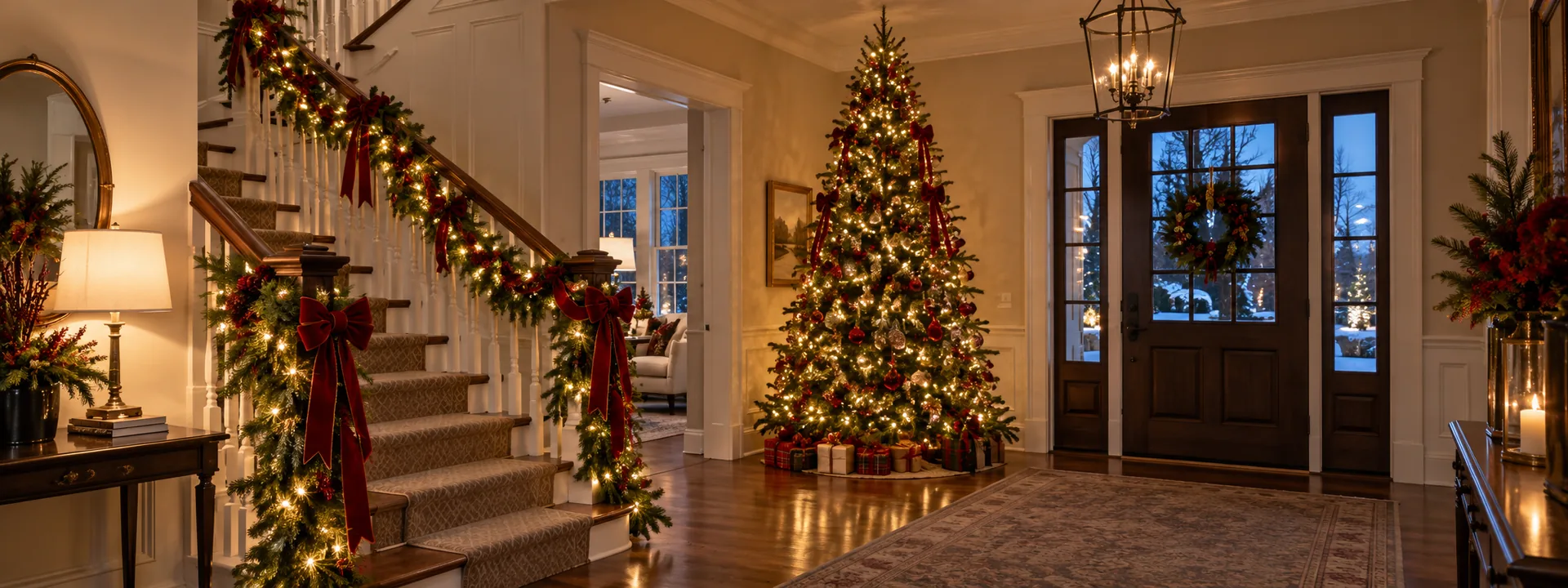
In a home or condominium, interior lighting can change how rooms connect without changing the architecture. A softly lit entry can establish a welcoming first impression, while coordinated accents in adjoining rooms help the home feel intentional from one view to the next.
Living rooms often benefit from layered light around mantels, built-ins, artwork, windows, and seasonal greenery. Kitchens and dining spaces may use decorative fixtures or subtle cabinet accents to support gathering, although task lighting should remain appropriate for food preparation and service. Staircases and hallways can gain visual definition when lighting is planned around the existing layout and applicable safety requirements.
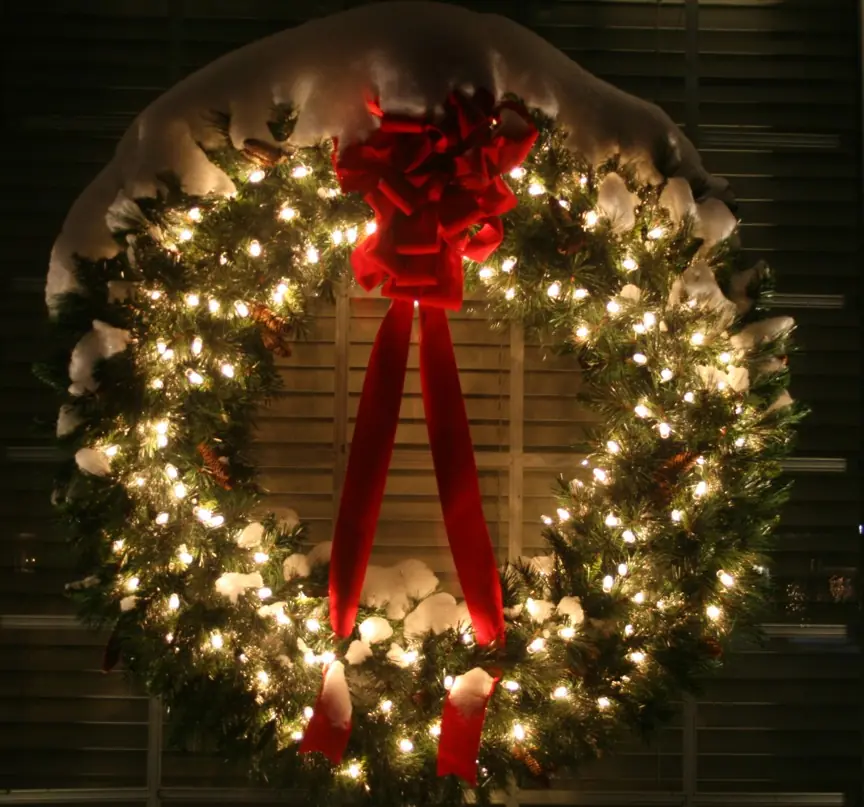
For seasonal decorating, Bright Services can arrange illuminated garland, wreaths, tree lighting, centerpieces, and window features around a coordinated color palette. These details can stand alone or complement broader holiday lighting services across the exterior of the property.
Permanent decorative accents require a different conversation from temporary seasonal décor. We review how often the feature will be used, how controls should be accessed, whether components should remain visible, and how the installation relates to existing electrical and smart-home systems.
Interior Decor Lighting can also help connect rooms that have very different furnishings or functions. For example, repeating one color temperature through an entry, living room, and dining area can create continuity, while selective changes in brightness distinguish each activity. The design does not need to make every room identical. Instead, it should establish a recognizable visual thread that lets each space keep its own character.
Entries and Staircases
Create a clear welcome and connect vertical spaces with careful accents.
Living and Dining Areas
Layer warmth around gathering spaces, architecture, and seasonal details.
Windows and Mantels
Build focused arrangements that look balanced at close range and from outside.
Home Offices and Studios
Add atmosphere without creating glare or interfering with the work surface.
Good interior lighting does not ask every surface to compete. It creates a hierarchy, then lets the room breathe.
ENVIRONMENTS CUSTOMERS AND TEAMS REMEMBER
Interior Lighting for Commercial and Hospitality Spaces
Restaurants, cafes, retailers, offices, hotels, spas, salons, galleries, and venues use decorative lighting for different reasons. Some need a warm atmosphere that encourages guests to settle in. Others need merchandise, art, architecture, or a brand element to become more visible.
Because the space supports customers, staff, and operations, we plan visual impact alongside service routes, business hours, existing lighting, cleaning, access, and maintenance. The result should look polished while remaining practical for the people who work there.
Interior Decor Lighting is especially valuable when a property changes character throughout the day. A café may need a clearer daytime presentation and a warmer evening setting, while a hotel lobby may shift between ordinary arrivals, private functions, and seasonal displays. Therefore, zones and compatible controls can be considered during design instead of added after the visual plan is complete.
RETAIL
Products and Displays
Wall washes, shelf accents, window features, and seasonal focal points can support merchandising and guide attention through the store.
HOSPITALITY
Atmosphere and Arrival
Lobby, dining, bar, and lounge lighting can help the property move from daytime operation into a more inviting evening setting.
WORKPLACES
Brand and Gathering Areas
Entries, boardrooms, reception desks, and team spaces can use restrained decorative light for company events, holidays, or everyday presentation.
CULTURAL SPACES
Art and Architecture
Galleries, museums, and event spaces require careful focus, glare control, and respect for any conservation or venue-specific lighting requirements.
Seasonal storefronts, offices, and hospitality properties may also benefit from coordinated commercial holiday lighting services outside the building.
SELECT THE METHOD AFTER THE GOAL IS CLEAR
Lighting Methods That Add Depth and Character
Bright Services recommends products after reviewing the desired result, existing conditions, installation access, and expected duration. Availability and compatibility vary by project, so the proposal identifies the methods suited to the approved plan.
CONCEALED ACCENTS
LED Strips and Hidden Light Sources
Concealed lighting can define shelves, coves, cabinetry, counters, rails, or architectural edges while keeping the fixture visually quiet. Diffusion, brightness, and viewing angle matter because exposed points of light can distract from an otherwise refined design.
VERTICAL SURFACES
Uplighting and Wall Washing
Light directed across walls, columns, drapery, displays, or textured materials can add depth and make a room feel larger. However, fixture placement should minimize glare and avoid washing out artwork or signage.
DECORATIVE FEATURES
Pendants and Centerpieces
Visible fixtures or illuminated décor can act as a central visual feature when scale, hanging height, access, and surrounding views are considered together.
SEASONAL LAYERS
Garland, Wreaths, Trees, and Windows
Temporary decorative lighting can coordinate greenery, window displays, mantels, trees, and table features without changing the permanent room design.
FLEXIBLE CONTROL
Dimming, Zones, and Compatible Smart Systems
Where the selected products support them, controls can adjust brightness, color, schedules, or separate areas. Compatibility must be confirmed before installation.
LED products can use less energy and last longer than traditional incandescent options, although exact performance depends on the product and operating conditions. The U.S. Department of Energy LED lighting guide provides useful general information.
A CAREFUL PROCESS FOR FINISHED SPACES
The Interior Decor Lighting Process
Working inside an occupied home or business requires clear planning and respect for the surrounding space. We organize the design and installation so the visual decisions are settled before products are mounted.
Timelines depend on the scope, access, product availability, coordination needs, and whether the installation is temporary or long term. Nevertheless, each project follows the same core sequence.

CONSULTATION
Discuss the Room, Mood, and Priorities
We review how the space is used, the desired atmosphere, architectural or décor features, existing light, operating schedule, controls, installation duration, and approximate budget.
DESIGN
Choose the Layers and Focal Points
Next, the proposed plan identifies which areas should be highlighted, the lighting methods that fit, and how brightness, color, direction, and fixture visibility will work together.
PREPARATION
Coordinate Access and Protect the Area
Installation timing is organized around the household or business. The team also reviews furniture, displays, surfaces, traffic, and other conditions that may affect safe access.
INSTALLATION
Mount, Balance, Connect, and Test
Bright Services installs the approved components, checks visible alignment, tests available settings, and cleans the lighting-related work area before the handoff.
WALKTHROUGH
Review Controls and Ongoing Needs
Finally, we explain included dimmers, timers, controllers, or compatible app functions and discuss removal, maintenance, storage, or future changes included in the scope.
COLLABORATION WITHOUT CONFUSION
Work With the People Already Shaping the Space
Interior projects often involve more than one decision-maker. Bright Services can coordinate with homeowners, property managers, designers, venue contacts, merchandisers, and approved contractors when their information affects the lighting plan.
HOMEOWNERS
A Personal Plan for Daily Living
We turn preferences and inspiration into clear lighting priorities that suit the room and household routine.
DESIGNERS
Lighting That Supports the Interior Concept
Color, materials, furniture, art, and focal points can guide product and placement decisions.
BUSINESSES
Installation Around Operations
Scheduling, customer access, staff movement, displays, and brand presentation remain part of the plan.
EVENT TEAMS
Temporary Décor With a Clear Timeline
For one-time gatherings, our special event lighting services can coordinate setup, operation, and takedown.
MAKE THE SPACE FEEL AS GOOD AS IT LOOKS
Plan Interior Decor Lighting With Bright Services
Thoughtful lighting can reveal architecture, strengthen a room’s atmosphere, connect seasonal décor, and give customers or guests a more memorable experience. The strongest results come from choosing a clear purpose first, then selecting the products and controls that support it.
Bright Services brings design guidance, careful installation, commercial-grade product options, and clear communication to residential, retail, hospitality, workplace, and event settings. Whether the goal is a temporary holiday display or a more lasting decorative layer, we build the plan around the space instead of forcing the space into a standard package.
Contact us to discuss the room, desired mood, timeline, and important features. From there, we can identify practical next steps and prepare a proposal for the approved scope.
If the project will be completed in phases, we can begin with the highest-priority room or focal point and keep the broader direction in view. Consequently, later additions can relate to the original color, brightness, fixture visibility, and control decisions rather than starting from a disconnected concept. This approach is useful for growing businesses, renovated homes, and hospitality properties that need to coordinate improvements around active schedules.
A USEFUL STARTING LIST
What to Share During the Consultation
- Room type and approximate dimensions
- Photos of the existing space
- Desired mood and color direction
- Features you want to highlight
- Temporary or long-term use
- Preferred controls and operating times
- Scheduling or access limitations